

Insights, News
Mitigating Risks in High-Stakes Defence Stakeholder Engagement
Thousands of people work at the Ministry of Defence. Thousands more comprise the partners and suppliers collaborating with the MoD on its various projects. Millions of lives are impacted by those projects, both at home and abroad.
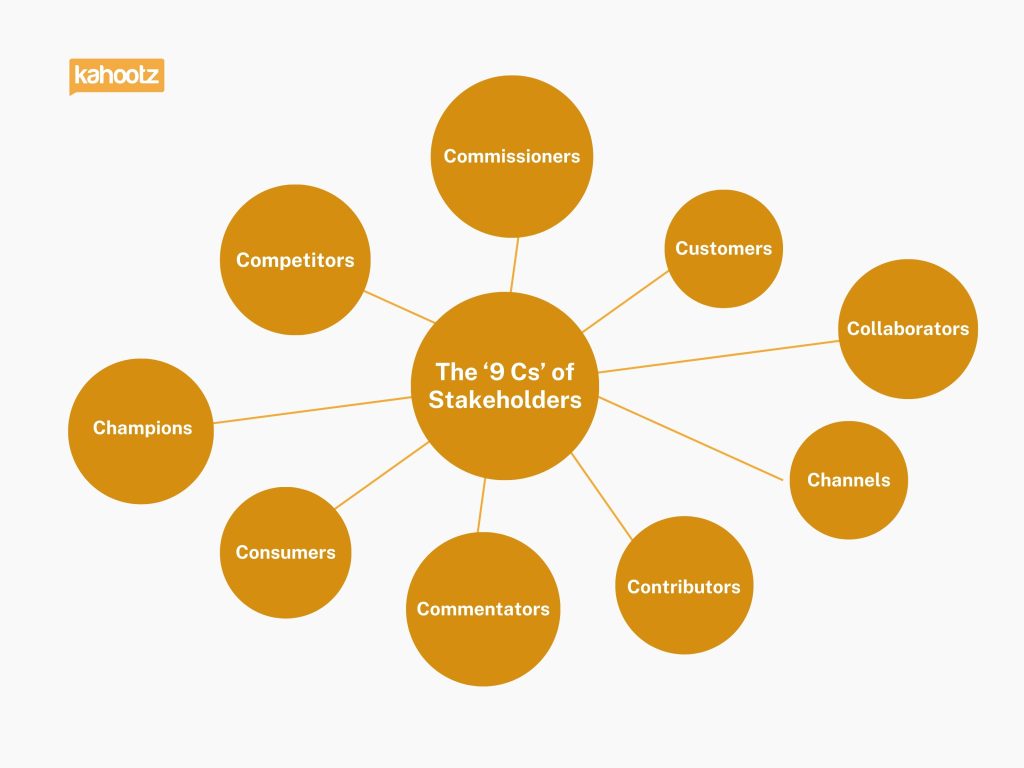
In brief, collaboration in defence projects involves massive numbers of people. There are numerous tiers of stakeholders: government agencies, local communities, private sector partners, third-party suppliers, and the list goes on.
This creates complex and fragile dynamics. Such dynamics demand careful management, and stakeholders at every level must be engaged and informed as projects progress. But that is not always easy.
Numerous stakeholder engagement risks and challenges stand in the way, especially in a sector as classified and security-conscious as defence. Data leaks, information delays, and conflicting expectations are just some obstacles to overcome. This guide explores how.
Skip to Relevant Sections
- Critical Risks of Stakeholder Engagement in Defence
- Mitigate Stakeholder Engagement Risks
- Benefits of Secure Digital Collaboration for Defence Stakeholder Engagement
- Implementing Secure Digital Collaboration in Defence
Understanding the Critical Risks of Stakeholder Engagement in Defence
Before looking at how to address them, let us first identify some of the major stakeholder engagement risks and challenges facing the defence industry:
Information Silos and Delays
It is common for silos to form in an industry like this. Even within a single organisation or agency, teams often operate independently, unwilling or uncomfortable with collaborating or sharing with others. This can lead to the flow of information being delayed or restricted, causing project-wide delays and additional problems.
Misaligned Expectations
Stakeholders at different levels of a complicated defence project may have different expectations based on the limited information they are given. Their expectations may be unrealistic or completely in conflict with other groups, leading to confusion, dissatisfaction, and even resistance when those expectations are not met.
Lack of Involvement and Support
Ideally, project managers want to keep stakeholders informed and engaged as projects progress. However, in a field like defence, this is often a challenge due to the sensitive and complex nature of the work undertaken. If stakeholders are not involved and updated, they may feel excluded, becoming less committed to the project and less willing to provide feedback or support.
Communication Challenges
Tying into the previous points, it is common for defence projects to struggle with communication breakdown between project workers and external stakeholders. If information is not communicated clearly and regularly enough, it is easy for misunderstandings or even information overloads to occur, which can, again, contribute to project delay, disruption, and issues with your stakeholder engagement strategy.
Security and Confidentiality Concerns
In defence, security is paramount. Projects often involve sensitive information, and teams must comply with strict confidentiality rules to prevent unintended leaks. This makes it difficult to share updates with external stakeholders or collaborate with partners, as they, too, need to align with those standards. Fortunately, secure collaboration tools minimise such stakeholder management risks.
The Indispensable Role of a Strong Defence Supply Chain
Despite its challenges, the defence supply chain must be strong and consistent. This is imperative for national security and defence readiness. Projects must be completed efficiently and timely manner, official-sensitive information data must be safeguarded, and information must flow freely yet securely between relevant agencies, teams, and stakeholders.
Collaboration is often a crucial part of this entire process. Indeed, the Ministry of Defence relies on its network of suppliers and partners to succeed. Issues like stakeholder conflict and communication breakdown can, however, scupper defence project progress and present vulnerabilities in the supply chain. Maximising stakeholder engagement through secure means is the best way to overcome this.
How Secure Digital Collaboration Platforms Mitigate Stakeholder Engagement Risks
One of the best tools to cope with stakeholder engagement risks is a secure, cloud-based collaboration solution, such as Kahootz. This brings numerous benefits that reduce risks and facilitate safer, smarter collaborative efforts, such as:
Centralised and Secure Information Sharing
Secure platforms like Kahootz encrypt connections for secure data transfers. They also provide safe, centralised spaces to store crucial project documents and for teams to communicate privately with one another and their stakeholders. Through this, it is easier to achieve greater in-office transparency and minimise any risk of stakeholder conflict via seamless communication.
Improved Stakeholder Involvement and Support
Secure digital tools make it much easier for defence teams to share updates, files, and information with select groups of stakeholders, or to collaborate and consult with them in safe, virtual workspaces. Some even have built-in feedback mechanisms and collaborative document reviews, which help stakeholders stay closely involved with projects and make their contributions clear through open dialogues and decisions.
Robust Security and Compliance
Leading collaboration platforms boast exceptional security features and technologies underpinning their core functions. Kahootz, for example, offers best-in-class encryption and access controls built on Secure by Design principles, so data is only seen, edited, and managed by those with the authority to do so. This helps agencies comply with defence industry standards and keep sensitive information safe and sound.
Streamlined Workflows and Efficiency
Digital platforms can also make daily workflows and the more trivial tasks involved in defence projects move more efficiently. For example, with traditional email-based workflows, there are inevitably delays and occasionally problems when sending large files. On a cloud-based platform, file sharing is far easier and faster thanks to all parties having access to a centralised repository.
Key Benefits of Secure Digital Collaboration for Defence Stakeholder Engagement
Secure platforms also make it easier to engage your stakeholders through every stage of the project lifecycle, from conception to conclusion. Core benefits include:
- Enhanced Security and Data Protection: With secure access controls and data encryption, sending and sharing files is far safer than using traditional email.
- Greater Transparency and Accountability: Leading platforms offer complete audit trails and version controls, so you can chart the full history of each file and log all user activities.
- Stronger Stakeholder Relationships: It is significantly easier to build trust among stakeholders when you can engage, communicate, and collaborate with them via a reliable platform like Kahootz.
- Enhanced Agility and Responsiveness: When information can be shared and updated in real-time for all relevant teams and partners, it becomes easier to adapt to sudden supply chain changes.
Key Considerations for Implementing Secure Digital Collaboration in Defence
The benefits are clear, but a secure digital collaboration platform is only as effective as those using it. With that in mind, here are some steps to ensure rapid, efficient, and secure deployment:
- Identifying Stakeholder Needs: Consider your stakeholders in terms of what they want from a project and the best ways to include them. Ensure any platform you choose can help you in meeting those objectives.
- Choosing the Right Platform: There are many secure cloud-based tools to mitigate stakeholder management risks. Study features, user reviews, accreditation, and case studies to find those best-suited for your work and make sure your platform meets strict defence security standards.
- User Adoption and Training: As stated earlier, tools like these need the right people using them to make the most of their features. Look for tools that are intuitive and easy to work with and that don’t require extensive training or advanced technical expertise.
- Governance and Access Control: Establish clear governance policies and access controls with your chosen tool and deploy. This will help you control the secure flow of data and information among teams and partners.
Conclusion: Building a More Secure and Collaborative Defence Ecosystem with Kahootz
Keeping stakeholders engaged is paramount for a modern, secure, profitable defence ecosystem. But, with many stakeholder engagement risks and challenges to overcome, it is not always easy. Secure digital collaboration platforms can make all the difference, ushering in a safer and more efficient ecosystem for all involved in the defence sector.
Kahootz is one of the top tools to consider regarding security. Request a demo to learn more about it, or start your trial today to take your next steps towards a more collaborative, resilient, and capable defence ecosystem.

Latest news

Anduril UK to use Kahootz’s secure platform to strengthen supply chain resilience and sovereign digital security within industry